Canada’s Whale Watching Seasons: Your Spring and Fall Guide

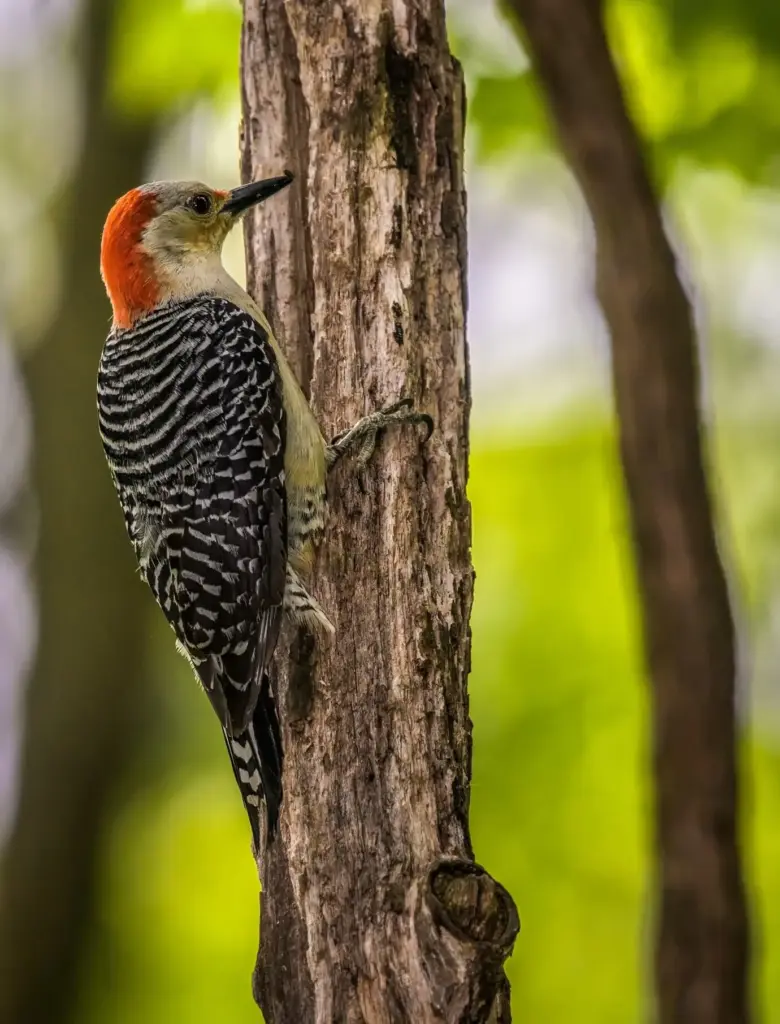
Welcome aboard for Whale Watching in Canada: Spring and Fall Sightings Calendar with Tour Reservations. We map peak windows from Pacific gray migrations to Atlantic humpback feasts, then show how to reserve the right tour, secure seats in fickle weather, and enjoy ethical, unforgettable encounters along spectacular coasts.

March–May on the Pacific Rim

From late March through May, gray whales trace the outer coast, often visible near Tofino, Ucluelet, and Victoria. Calmer midweek slots book quickly as surfers, storm-watchers, and naturalists converge. Reserve versatile vessels, pack layers, and expect surprise sea lion rafts and transient orca patrols.

September–November in the Atlantic

Early fall brings bait-ball bonanzas as capelin and herring concentrate, drawing humpbacks, minkes, and fin whales close to shore around Witless Bay, Trinity, and the Bay of Fundy. Shorter days reward golden-hour departures; book sunset sailings early, and monitor swells, fog forecasts, and ferry connections.

Shoulder Days and Wildcards

Transitional weeks can flip the script: late April storms deliver dramatic seas yet crystal horizons afterward, while early October cold fronts push feeding frenzies tight to headlands. Hold flexible tickets, consider morning and afternoon departures, and ask skippers which tides or winds favor surface activity.

Where the Whales Gather: Canadian Hotspots
From Pacific kelp forests to Atlantic seabird sanctuaries, locations matter. Vancouver Island channels funnel migrations, Quebec’s Saguenay–St. Lawrence estuary concentrates prey, and Newfoundland’s coves echo with blows. Choose ports with varied bathymetry and reliable operators to transform short windows into lingering, story-rich memories.

Choosing the Right Operator

Look for Transport Canada certifications, experienced captains, and respectful wildlife protocols displayed plainly. Search reviews for consistency across rough days, not only bluebird afternoons. Ask about group size caps, hydrophones, onboard suits, and rebooking guarantees if seas or visibility undermine safe, enjoyable encounters.

Timing Your Reservation

Book prime days first, then add a flexible second slot within forty-eight hours to hedge against weather. Shoulder-season mornings may offer smoother seas; afternoons can bask in warmer light. Confirm cutoff times for refunds, and note ferries, bridge lifts, or roadworks that impact transfers.

Respect on the Water: Ethics and Conservation

Memorable encounters depend on space, patience, and stewardship. Canadian regulations set minimum distances around whales, with larger buffers near vulnerable populations. Choose skippers who idle engines, avoid leapfrogging, and educate guests. Your choices fund research, protect habitats, and keep future sightings possible for everyone.

Know the Rules Before You Depart

Distances vary by region and species, but erring on the generous side protects behavior and reduces stress. Drones often require permits; playback audio is inappropriate; and feeding wildlife is prohibited. Read posted notices at docks, and let crew manage approach angles and timing.

Support Science While You Travel

Many operators log fluke photos, dorsal fins, and vocalizations for research catalogs. Ask how to submit images, verify time and GPS accuracy, and respect identification guidelines. Small efforts enrich longitudinal datasets, strengthen protections, and turn a single outing into meaningful, community-powered conservation outcomes.

Cold-Season Comfort: Gear and Preparation

Spring and fall reward prepared travelers. Layer merino and windproof shells, bring knit caps and gloves, and add chemical warmers for long sightings. Protect cameras with rain covers, stash essentials in dry bags, and secure straps so excitement never sends valuables skipping across decks.

Clothing That Works at Sea

Start with moisture-wicking base layers, then add insulating fleece and a waterproof outer shell. Non-cotton socks and sturdy shoes keep toes warm on aluminum decks. Even on covered boats, wind finds gaps, so neck gaiters and snug cuffs become invaluable during longer, breezy transits.

Cameras, Binoculars, and Low Light

Dawn departures and overcast afternoons demand fast lenses, image stabilization, and spare batteries kept warm. Use burst modes for breaches, and switch to video when feeding begins. Binoculars around 8x magnification balance steadiness and reach, helping spot blows before the skipper pivots toward action.

Tales from the Rail: Moments to Remember

Stories preserve the salt on our sleeves long after engines hush. Guides and guests swap details about lunge-feeding arcs, sideways glances from curious minkes, and distant thunderous breaches. Share your account in the comments and inspire another traveler to plan wisely and respectfully.

A Gray Whale’s Spring Detour

Near Cox Bay on a slate April morning, a gray whale lingered among kelp plumes, rolling to scrape barnacles while surf pounded the outer bar. Our skipper idled, we whispered, and a feathered breath drifted across the swells like a soft, grateful exhale.

Humpbacks Under Autumn Light

Off Trinity on a copper October evening, bait flickered like coins beneath ripples. Two humpbacks swept inward, flukes lifting through peach light, then detonated a lunge that showered the bow. The captain laughed, we steadied cameras, and everyone glowed with astonishment and sea spray.
Maxaraminerefuxutoma
Privacy Overview

This website uses cookies so that we can provide you with the best user experience possible. Cookie information is stored in your browser and performs functions such as recognising you when you return to our website and helping our team to understand which sections of the website you find most interesting and useful.