Seasons of Wonder Across Canada’s National Parks
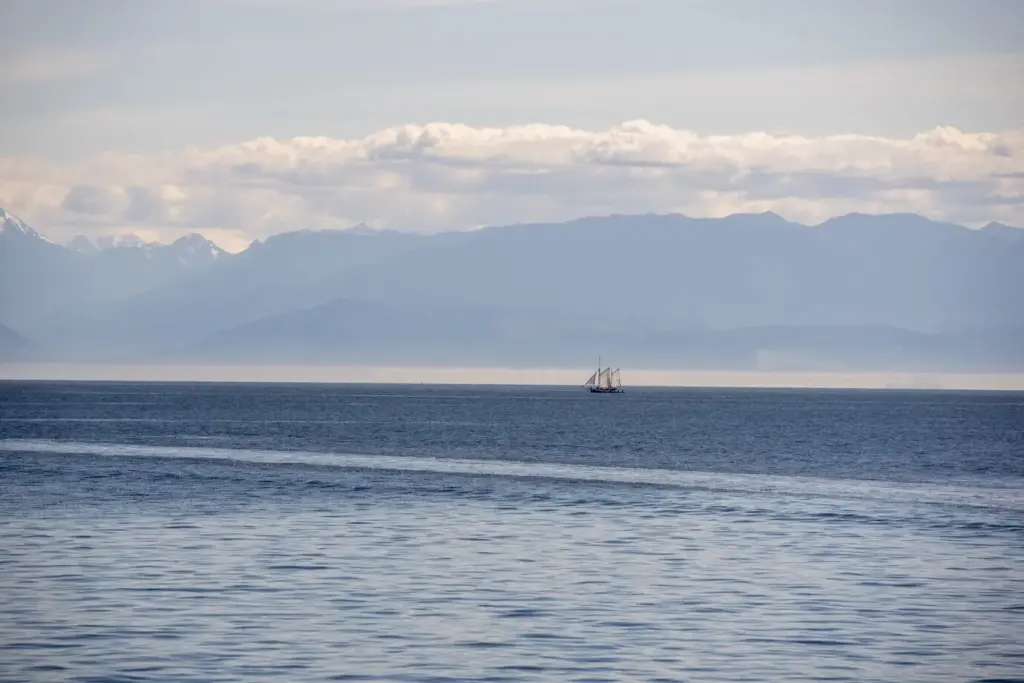

Today we explore the best times to experience Canada’s National Parks with seasonal itineraries and reservation tips designed to secure dream campsites, backcountry permits, and hard‑to‑get shuttles. From spring thaws to winter stargazing, you’ll learn when wildlife is most active, how to plan around peak crowds, and what to book early so your plans stick. Share your ideal month, ask questions about release dates, and subscribe for weekly updates on shifting conditions, closures, and new booking strategies across the country.

Spring: Waterfalls Roaring, Trails Awakening

As snow retreats and rivers swell, spring rewards patient planners with thundering waterfalls, migrating birds, and quieter campgrounds. Expect variable conditions—mud, lingering snow at elevation, and early-season closures—yet also blooming valleys and open coastal trails. Think low elevations first, build flexible day-by-day options, and watch park advisories closely. Spring is also when many reservation systems open or release additional inventory, so arriving prepared pays off. Use shoulder-season calm to practice wildlife etiquette, refine gear for mixed weather, and enjoy sunrise solitude while peak crowds are still weeks away.

Where Snow Lingers and Where It Melts Fastest

Coastal parks such as Pacific Rim often clear earlier than high alpine terrain in the Rockies, making beach walks and rainforest loops ideal while mountain passes still hold ice. On the Prairies and in southern Ontario, sunny exposures dry quickly, but shaded ravines can remain slick. Choose graded trails, carry microspikes when forecasts hint at freeze-thaw cycles, and keep plans flexible. Spring rewards those who pivot: if a ridge remains corniced, swap to valley waterfalls that roar at their snowmelt peak.

Wildlife Viewing Without the Midsummer Crowds

Spring can bring exceptional wildlife encounters—elk calving closures, bear activity near emergent grasses, and raptors soaring on warming air. Keep distance, use binoculars, and observe posted restrictions designed to protect animals and visitors. Dawn patrols reveal peaceful scenes impossible to catch at noon in July. Migrate with the migrants: wetlands attract waterfowl, and river corridors become lively highways. Photograph with long lenses, never bait or approach, and be ready to yield the trail. Memorable moments arise when you respect space and let quiet guide your route choices.

Reservation Tactics for Shoulder-Season Wins

Spring availability fluctuates as snowlines climb and roads reopen. Watch daily for cancellations, aim for midweek stays, and prefer multi-night blocks that give you weather flexibility. If a headline campground is full, book a nearby alternative and day-trip into hotspots. Set calendar alerts for any late spring release dates announced by Parks Canada, double-check time zones, and keep your profile and payment details saved for faster checkout. A polite message board post or social group request can surface last-minute site swaps, which you should confirm only through official systems.

Beating the Rush Without Missing the Magic

Think in time layers rather than locations. Sunrise trailheads feel intimate, even at celebrated lakes. Late dinners align perfectly with twilight wildlife drives. Use lesser-known access points and link one marquee viewpoint with two overlooked stops to spread impact. Shuttle systems help you skip parking stress and reclaim hours for exploration. Choose loop trails where people disperse naturally, and carry a picnic so you are never constrained by restaurant queues. The trick is rhythm: early start, long siesta, enchanting evening—memories without the midday crush.

Campsites, Shuttles, and Backcountry Permits

Prime summer dates require decisive action. Reservation release days are announced each winter, with rolling openings by park. Create your account, pre-load payment details, and log in early to navigate the virtual queue. Secure shuttle seats for popular valleys as soon as they open, and enter lotteries where required for delicate areas. If your dream backcountry circuit is gone, book segments or inverse directions, then stitch alternatives using connector trails and one-night stops. Many cancellations appear 7–10 days out; check mornings and afternoons for the best odds.

Autumn: Gold Larches and Quiet Shores

Fall delivers luminous color, crisp air, and a calmer cadence in campgrounds and trailheads. Larch needles glow in high Rocky basins, while Atlantic maples and maritime cliffs ignite with reds and oranges. Services gradually reduce, temperatures swing, and some roads close after early storms. That makes timing essential, as does midweek travel to capture peaceful viewpoints. Wildlife enters vital life cycles—rutting ungulates and busy bears—so give extra space and heed seasonal advisories. With solid layers and flexible routes, you’ll enjoy cinematic days and crystal-clear nights.

Winter: Silence, Stars, and Surprising Access

Winter strips crowds to a whisper and unveils constellations over snowbound valleys. Groomed cross-country trails, fat-bike loops, and snowshoe circuits offer simple joy, while backcountry ski terrain suits experienced, avalanche-aware travelers only. Campgrounds and accommodations may be limited, yet cozy roofed options and winterized sites elevate comfort. Short days invite thoughtful pacing: hot lunches, thermoses, and early returns. Wildlife tracks braid stories across meadows. Where cold deepens, northern lights sometimes ripple. With layered clothing, traction devices, and safety planning, winter becomes a season of deliberate, radiant clarity.

Where Winter Shines Brightest

Mountain towns with dark-sky designations, prairie parklands with broad horizons, and coastal forests sheltered from brutal wind each reveal unique winter personalities. Choose destinations that match your skills: groomed circuits for family outings, interpretive snowshoe trails for history-rich wandering, and guided experiences for learning new techniques. Winter light flatters frozen waterfalls and frosted boardwalks, turning familiar scenes into pristine discoveries. Check road reports daily, carry a shovel and emergency kit, and celebrate clear, windless nights by stargazing far from artificial glow for unforgettable celestial displays.

Reservations in the Cold Season

Though demand is lower, popular roofed accommodations and limited winter camp loops still book quickly during holidays and long weekends. Monitor release calendars, and set alerts for cancellations within seventy-two hours of peak dates. Some services operate reduced hours; confirm check-in processes and gate access codes. Avalanche courses and guided outings may require advance booking, especially near festival weekends. Verify winter equipment rental availability in nearby communities, and consider weekday arrivals for better selection. Above all, align reservations with realistic daylight plans and conservative travel assumptions in cold conditions.

Safety and Comfort Strategies for Deep Cold

Dress in breathable layers, avoid cotton, and manage moisture meticulously. Keep snacks handy, as frequent fueling supports warmth and decision clarity. Pack a thermos, hand warmers, and a closed-cell sit pad for breaks. Traction aids and trekking poles improve stability on packed snow or icy boardwalks. Understand frostbite and hypothermia signs, carry a headlamp with fresh batteries, and share your route plan. Vehicles need winter-rated tires and a topped-up windshield reservoir. When conditions sour, pivot to short interpretive loops, museums, and community cultural centers without regret.

Reservation Playbook: From Release Day to Last‑Minute Wins

Getting the dates you want blends research, timing, and flexibility. Release schedules vary by park and are published each winter, often with staggered openings. Prepare your account early, test your payment method, and confirm time zones before queueing. Aim for multi-night blocks to reduce booking steps, yet prepare alternates by region and campground type. When the system says no, cancellations may say yes—especially seven to ten days before arrival. Engage respectfully in online communities, but finalize swaps only through official portals to avoid scams and disappointment.

Prepare Your Account and Your Clock

Create or update your Parks Canada Reservation Service profile well before opening day, adding companions, vehicle details, and a second payment method. Set multiple alarms that match the park’s time zone, and use a reliable wired connection when possible. Open one device to comply with queue rules, then move quickly and carefully once admitted. Have campsite shortlists and date ranges ready so you can pivot if your first choice disappears. Screenshots of confirmation numbers and email filters help you catch messages instantly, preventing accidental cancellations or missed deadlines.

Flexible Itineraries That Still Feel Special

Design trips around experiences instead of single coordinates. If a marquee campground sells out, anchor your journey in a nearby valley and day-trip to headline attractions at dawn. Trade one backcountry night for an interpretive evening program, or swap ridge lines for lakeside paddles when weather shifts. Combine less-known parks into a themed loop—prairie grasslands, boreal lakes, then rocky canyons—for texture and surprise. Flexibility protects your dates and often produces better storytelling, because detours lead to encounters and perspectives you never would have planned deliberately.

Smart Cancellation Hunting and Courteous Etiquette

Cancellations spike around work-week adjustments, school schedules, and weather forecasts. Check mornings, lunchtimes, and early evenings, refreshing search windows generously. Avoid bots and dubious third-party offers; official systems protect both visitors and parks. Release any site you cannot use as soon as plans change, and never double-book. If you score a premium date, confirm adjacent nights later as they appear. Keep an eye on shuttle spaces and backcountry segments too—partial openings can knit together a full itinerary. Gratitude and patience often transform the hunt into unexpectedly kind exchanges.

Two or Seven Days Among the Rockies

In two days, pair a sunrise lake with a half-day canyon and an evening wildlife drive, then a larch basin or glacier overlook the next morning. In seven, add a cross-border valley, a quieter waterfall loop, and a scenic parkway day linking interpretive stops. Book shuttles early for high-demand corridors, pack layers for mountain microclimates, and schedule a rest afternoon in a picnic meadow. When smoke intrudes, switch to lower forests, waterfalls, and museums. You will leave with mountain light etched into your memory.

Atlantic Coasts, Tides, and Highland Ridges

Plan around tidal windows for broad beach strolls and sea cave explorations, then climb headlands for sweeping views when fog lifts. A three to five day loop might include cliffside trails, a river gorge, and a lighthouse sunset picnic. Autumn brings blazing hardwood color and calm seas, spring delivers seabirds and cool breezes, and summer invites sunrise breakfasts at small coves. Reserve coastal camps early for weekends, keeping weekday backups inland. When winds howl, visit cultural centers and local eateries, returning for golden-hour walks after showers pass.

Pacific Storms and Ancient Rainforests

Winter and late fall showcase roaring surf and mist-draped cedars, while spring reveals new greens and accessible beach rambles. Build a four-day plan with tidepool mornings, rainforest boardwalks after lunch, and sunset driftwood watch sessions. Shoulder months often offer easier reservations and delightful solitude. Pack waterproof layers, extra dry bags, and non-cotton warmth for damp evenings. If ferries delay, pivot to nearby islands or inland forests with equally enchanting trails. Respect intertidal life, photograph from stable rocks, and treat storms as theater viewed from safe, signed vantage points.


Underrated Escapes and Shoulder‑Season Gems

Beyond the famous postcards lie parks where silence spreads wide and stars pour down like rivers. Timing matters here too: prairie blooms and dark-sky miracles, shield country canoe routes after bug season fades, and northern windows when flights run and guides operate. These choices stretch budgets and patience less, yet feel rich with discovery. Local communities often host cultural events that elevate visits beyond viewpoints. Share your finds with fellow readers, and let us know which quiet destinations deserve deeper coverage in upcoming guides and seasonal mailers.
Maxaraminerefuxutoma
Privacy Overview

This website uses cookies so that we can provide you with the best user experience possible. Cookie information is stored in your browser and performs functions such as recognising you when you return to our website and helping our team to understand which sections of the website you find most interesting and useful.