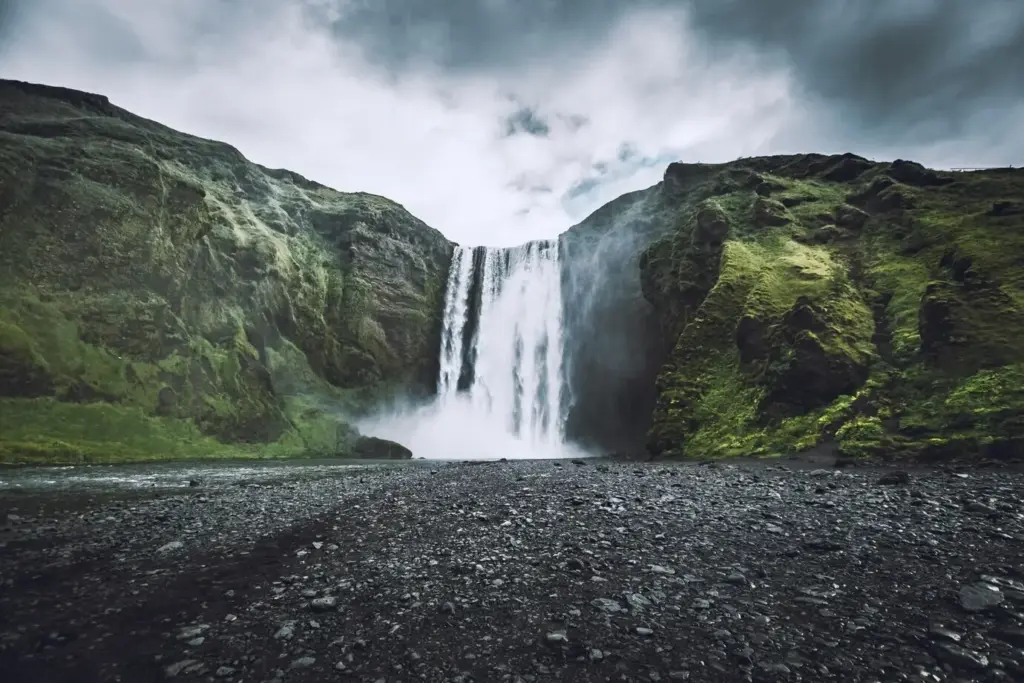
Peaks, Sunshine, and Savvy Savings


Today we explore Rocky Mountains travel, comparing summer and shoulder seasons for best-value bookings. We’ll map savings hidden in shoulder weeks, decode when peak heat and crowds justify the splurge, and share flexible booking tactics that protect your budget while preserving wonder. Expect practical itineraries, real cost comparisons, and decision frameworks that turn timing into unforgettable mornings above the clouds without overpaying.

The Calendar Is a Compass

Understanding when to go is the single largest lever for value in the high country. Peak summer brings open alpine roads, long daylight, and family demand that lifts prices and fills trailheads. Shoulder weeks in late spring and early fall trade some risk—lingering snowfields or chilly mornings—for softer rates, easier reservations, and space to breathe. Match your comfort with variability to harvest savings without sacrificing the soul-stirring scenery you came for.
Track weekend spikes around festivals and school breaks, then target arriving Sunday through Wednesday, when vacancies loosen and hosts negotiate. Historical data from major booking platforms often shows 10–30 percent dips in late May and mid-September, especially outside marquee towns. Set alerts early, pounce on dips, and favor refundable rates for graceful re-shopping.
Alpine passes can open late after snowy winters, while autumn storms may dust ridgelines yet leave valley trails perfect and quiet. Check snowpack maps, trail reports, and sunrise times. Flexible itineraries let you pivot from high routes to lakeside rambles, protecting both safety and satisfaction.
Many parks now use timed-entry or shuttle systems that reward early risers and shoulder-season travelers. Aim for sunrise trailheads, late-afternoon overlooks, and dinner-hour wildlife drives. You will trade warmer noon hours for golden solitude, better photographs, and trail conversations that feel like chance encounters, not queues.

Stay Smart: Lodging Tactics That Stretch Your Budget

Room rates in gateway towns rise with trailhead parking pressure, but you can outmaneuver the rush. Layer loyalty programs with credit card offers, stack midweek stays, and split itineraries between popular hubs and quieter satellites. Keep changeable reservations active, monitor drops, and rebook without penalties to steadily ratchet down your nightly cost.

Getting There and Around Without Sticker Shock

Flights and wheels can make or break the budget long before you see a peak. Compare Denver, Calgary, Bozeman, Salt Lake City, and regional airports, then balance drive time against fare savings. Consider compact cars, shoulder-season campervan deals, and free shuttles that eliminate parking stress while preserving cash for experiences.

Airfare Flexibility That Pays

Search with flexible calendars, widen to midweek departures, and test nearby airports connected by scenic drives. Sign up for fare alerts, set a target price, and be prepared to book within hours. Shoulder-season demand drops can produce delightful surprises, especially when saved baggage fees fund one more hike.

Cars, Campers, and the Math of Mobility

Calculate total cost, not just the daily rate: insurance, fuel at elevation, parking, and gear rentals. Campervans can pencil out in shoulder weeks when campsites are easier, while compact cars plus shuttles rule midsummer. Choose what supports sunrise starts and stress-free returns at day’s end.

Experiences That Shine in Each Season

Shoulder weeks tilt toward crisp air, migrating birds, open reservations, and locals with time to chat. Peak summer delivers wildflower meadows, fully open roads, ranger programs, and swimming holes warm enough for brave jumps. Choosing deliberately helps you match your must-do list with the conditions that elevate every memory.

Tools, Tricks, and a Plan B

Value seekers act like weather forecasters and air-traffic controllers, calmly monitoring conditions and switching runways when needed. Price trackers, inventory alerts, and saved shortlists make decisions fast. Keep alternative dates, towns, and trail priorities ready, so surprises become detours to discovery rather than disappointments that drain your wallet.

Build Your Route Like a Local

Think in valleys, not just famous overlooks. Pair scenic drives with loop hikes, arrange grocery stops before remote stretches, and reserve one restorative day for cafés and museums. A route that breathes saves fuel, unlocks off-peak delights, and keeps energy high for the moments that matter most.

Anchor Towns and Day-Trip Loops

Choose one or two base towns with multiple trailheads within an hour, then design day loops that alternate intensity. That rhythm keeps legs fresh and minimizes packing chaos. It also opens chances to linger at bakeries, rivers, and viewpoints when weather gifts you perfect calm or dazzling clouds.

Food, Gear, and Fees

Stock up in larger cities where prices drop and selection improves, then support small-town shops for last-minute needs and local advice. Confirm pass requirements, bear-spray rules, and trailhead parking limits ahead of time. A little prep sidesteps fines, hunger, and avoidable detours that devour daylight.

Maxaraminerefuxutoma
Privacy Overview

This website uses cookies so that we can provide you with the best user experience possible. Cookie information is stored in your browser and performs functions such as recognising you when you return to our website and helping our team to understand which sections of the website you find most interesting and useful.